 Jessica Porte
The Stories Waiting to be Heard: Centering Youth in Suicide Bereavement and Prevention
Jessica Porte
Tuesday, June 16, 2026 (8:45 am - 10:00 am CT)
Childhood bereavement due to suicide is not a moment, but a lifelong journey that evolves across development. This keynote centers the voices and experiences of youth and families navigating suicide loss, illuminating how early grief shapes identity, relationships, and well-being across the lifespan. Drawing on thanatology, grief education, and community-based practice, participants will examine how stigma, bias, and systemic barriers often leave bereaved youth unsupported and isolated, and what we can do. Through this we will explore how increasing grief literacy can reduce harm, foster connection, and expand access to meaningful support. Attendees will leave with tangible strategies to better care for children, youth, and families experiencing stigmatized loss, moving from avoidance to intentional, grief-informed support.
OBJECTIVES:
• Describe the foundational principles of grief and explain how suicide loss creates a distinct bereavement experience for children and youth, including three theoretical frameworks that inform grief-informed practice.
• Identify at least four systemic barriers that leave bereaved children and youth unsupported following suicide loss, and articulate at least two practice-based strategies to reduce each barrier's impact.
• Apply the three pillars of grief literacy, knowledge, language, and action, to reframe at least two avoidance-based behaviors into concrete, grief-informed practices appropriate in programmatic and family support.
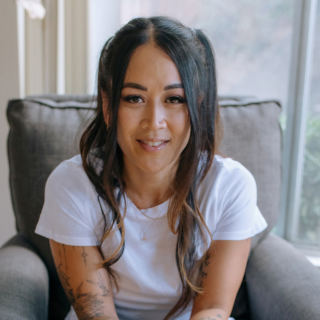
Jessica Porté believes every child, family, and community deserves the language and support to navigate grief, not silence. For 15 years, she has worked at the intersection of childhood bereavement, trauma-informed education, and adaptive leadership across hospice, bereavement camps, school and community-based programs, and addiction recovery; meeting families inside some of life's most stigmatized and overlooked losses, including substance use-related death, suicide, and complex grief. Her work extends to postvention and crisis response following natural disasters, where she bridges collective healing with individual growth. As founder of Wayfinder Family Co. and Bereavement Programs Manager for Eluna's Camp Erin, the nation's largest youth grief camp network, she translates compassion into strategy across schools, nonprofits, and community systems. Jessica holds a Master of Arts in Leadership from Azusa Pacific University and is a certified Thanatoligst through the Association for Death Education and Counseling, a certified LEGO® Serious Play® facilitator, and Psychological First Aid provider.
Lived Experience of Suicide Panel
Wednesday June 17th from 10-11:15am Central
The Lived Experience Panel features individuals in Wisconsin who have experienced suicidal thoughts and/or suicide attempts. Their perspectives provide invaluable expertise to shareholders engaged in this work across various sectors. By listening to and centering the voices of people who have been there, we seek to broaden our horizons around suicide and suicide prevention in our state. Every year this is a highlight of the conference.
Learning Objectives
Objective 1: Empathize with and identify similarities between themselves and those with lived experience of suicidal thoughts and actions.
Objective 2: Identify how disclosure of lived experience benefits both the storyteller and the public.
Objective 3: Discuss suicide as a complex phenomenon that occurs within and beyond the context of mental illness.
Lived Experience Panelists
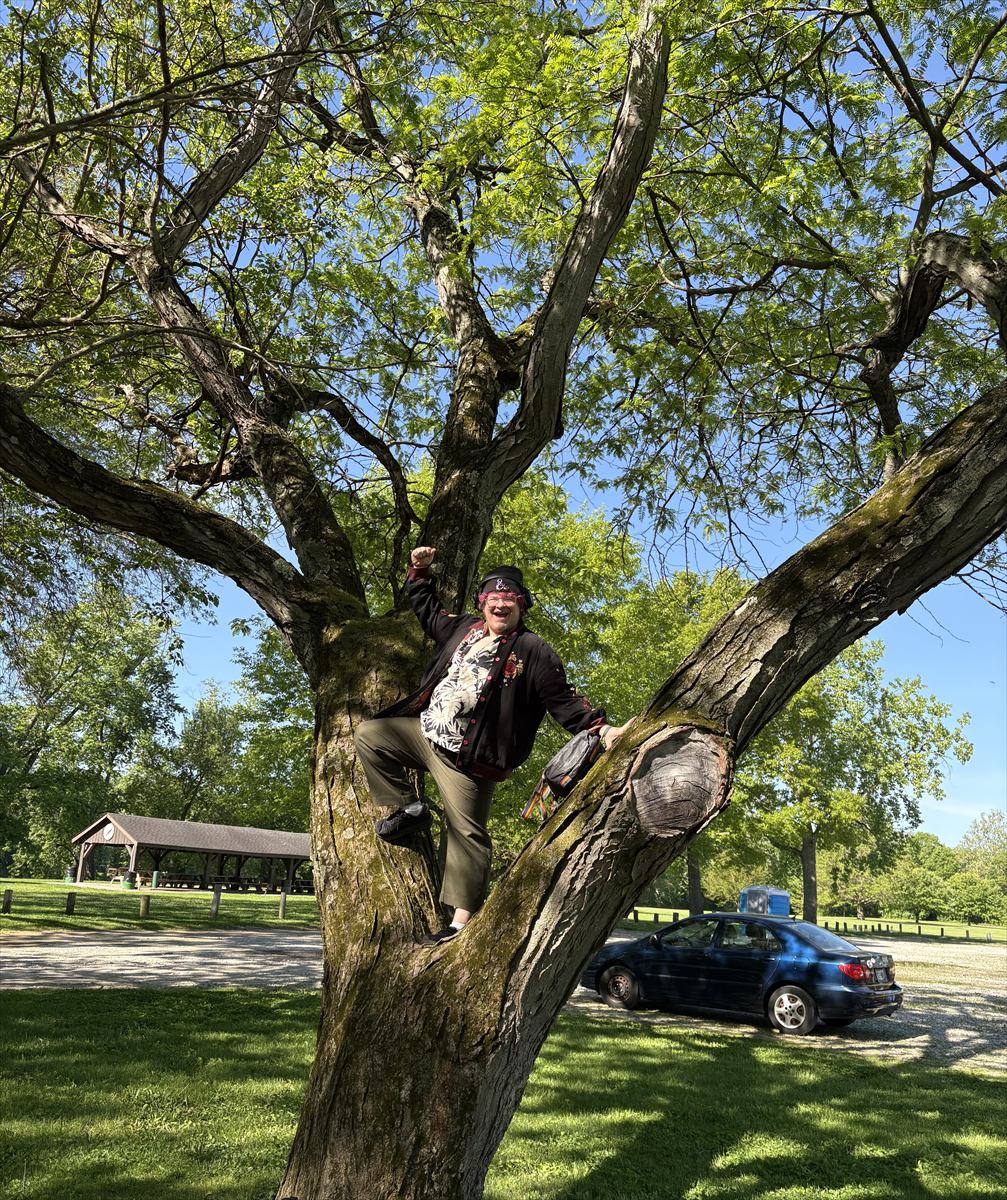
Reid Landay (He/They) is a 20 year old college student studying history and jewish studies. Currently working on his senior thesis on religious funding within Filipino guerrilla movements, he also enjoys theater, art, video games, and his cat, Newton. Reid has lived with mental health issues since 5th grade and is proud to be where they are today, speaking and spreading awareness about his experiences.

Sanaiah Hibbler (19, she/her/hers) is a proud youth ambassador of the 1MORE Movement and constant advocate for mental health and suicide awareness in and around the Milwaukee area. Through the experience of losing a sibling to suicide and personal struggles with suicide, depression, and self harm, she has been able to find power and authenticity in her own story and connect with others on a deeper level. In her free time you can often find her attending local music events, performing in a play or musical, or expressing herself in some other creative way. (Learn about 1MORE at 1morecounts.com)
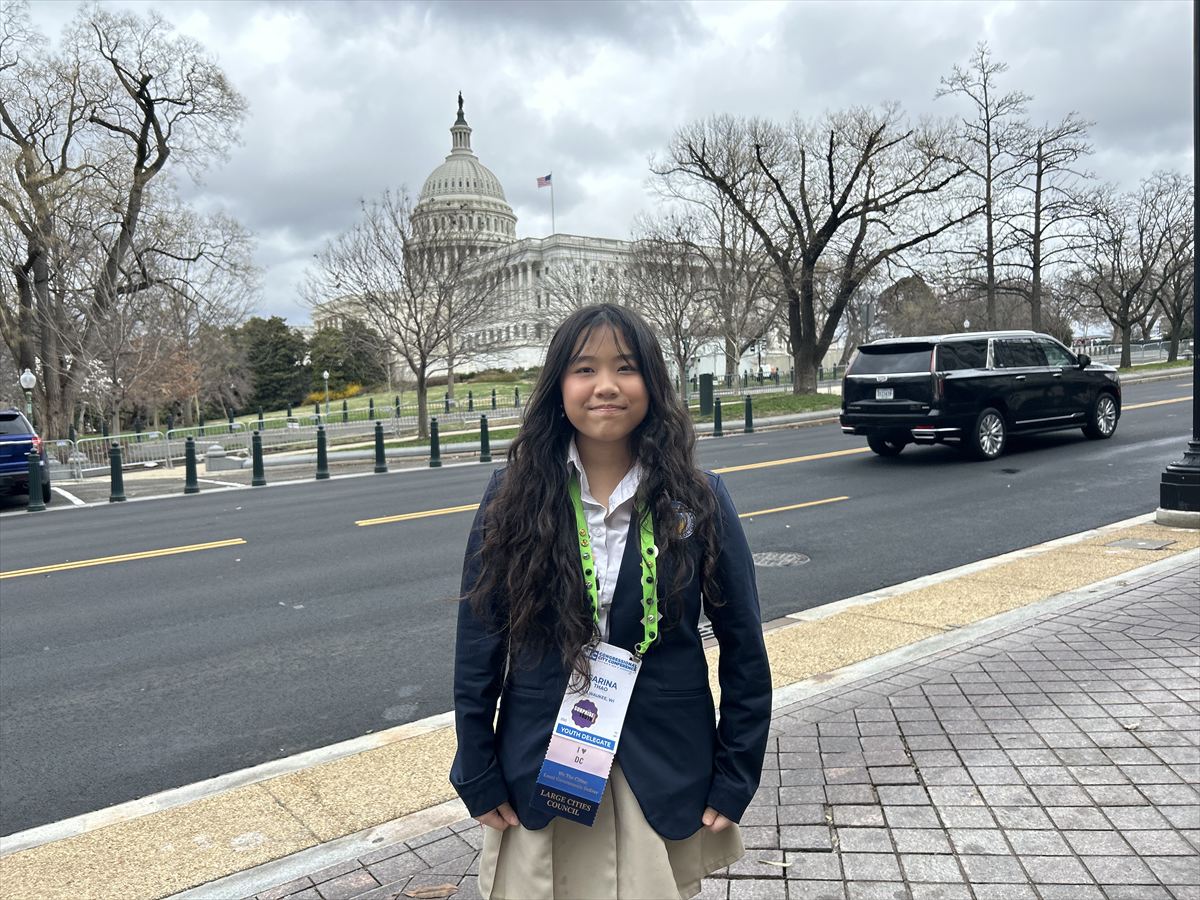
Hi! My name is Sarina Thao! I am a Hmong American scholar who loves to engage in public speaking and journaling. I am more than excited to share my experiences and knowledge of youth mental health with all of you! And I hope that I can learn or share another perspective at this panel!
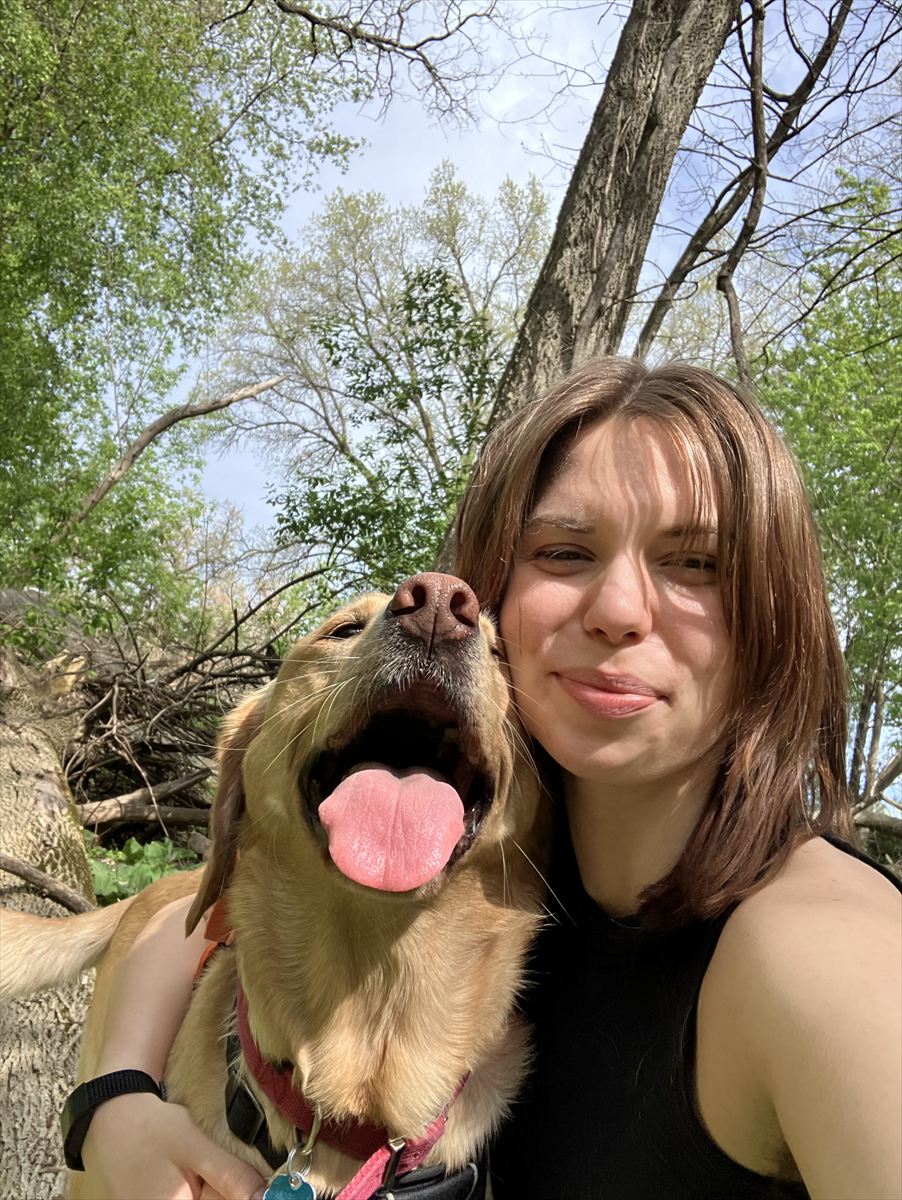
Hi! My name is Kai and I’m 16 years old. I go to MATC and I grew up in Madison. I like reading, being outside, and hanging out with my family and dogs. After school, I want to be a travel therapist or nurse and help people along the way. I have struggled with suicidal ideation and depression all throughout middle and high school, and I’ve learned a lot about myself because of it. I’m hoping to teach others how to support youth that are experiencing suicidal thoughts and learn new things in the process!
June 16, 2026
You will not need to register for specific sessions. You may attend whichever session you wish on the day of the conference.
Breakout Session 1 - 10:15-11:30 am CT
1a. From Implementation to Impact: Men’s Sheds as a Public Health Strategy for Suicide Prevention
1b. Early Identification: Using School-Based Wellness Screening to Prevent Crisis and Strengthen Connection to Care
1c. Deaths of Despair in Wisconsin, West Virginia, and New York: the Role of Labor Rights and Further Insights from PhD Research
Breakout Session 2 - 12:30-1:45pm CT
2a. Helping the Helpers: Mental Wellbeing of the Funeral Professional
2b. From Risk to Resilience: Building Protective Factors Through Mentoring and Belonging
2c. When Timing is Everything: What data says about suicide deaths and criminal justice involvement
Breakout Session 3 - 2:00-3:15pm CT
3a. Implementing Counseling on Access to Lethal Means (CALM): Lessons Learned from Two Wisconsin Healthcare Systems
3b. Building a Comprehensive School-Based Approach to Supporting Youth Mental Health
3c. Bienvenidos - Supporting Immigrant Farmworkers in Wisconsin
1a. From Implementation to Impact: Men’s Sheds as a Public Health Strategy for Suicide Prevention
Men experience disproportionately higher rates of suicide and are often less likely to engage in traditional mental health services. Social isolation and stigma remain persistent barriers to prevention. Men’s Sheds—community-based spaces that emphasize connection, purpose, and peer support through shared activities—have emerged as a promising, non-clinical approach to addressing these gaps. This presentation shares lessons learned from implementing a Men’s Shed in Wauwatosa, located in Milwaukee County, led by a local health department in partnership with community stakeholders. Presenters will describe the rationale for selecting the Men’s Shed model, strategies used to engage men and build trust, and key partnerships that supported program launch. The session will also highlight challenges encountered during implementation, including outreach, sustainability, and balancing structure with participant-led ownership. Grounded in a public health and protective factors framework, this presentation explores how Men’s Sheds can function as an upstream suicide prevention strategy by reducing social isolation, strengthening belonging, and normalizing connection outside of clinical settings. Attendees will leave with practical insights, considerations for equity and inclusion, and actionable takeaways to inform replication or adaptation of the Men’s Shed model in other Wisconsin communities.
- Objective 1: Explain how Men’s Sheds align with public health approaches to suicide prevention.
- Objective 2: Identify key components and partnerships needed to successfully launch a Men’s Shed or similar program in a local community.
- Objective 3: Apply implementation lessons from Wauwatosa to develop or strengthen non-clinical, community-based suicide prevention efforts.
Hannah Gumina, MPH, CHES is a dedicated public health professional with a focus on community health education, program management, and harm reduction. She currently serves as a Substance Use Specialist at the Wauwatosa Health Department, where she leads initiatives to reduce substance use-related harm in the community. Hannah is responsible for implementing innovative strategies, including a harm reduction vending machine to improve access to resources, and the facilitation of the Wauwatosa Fatality Review Team that works to identify trends in overdose and suicide fatalities for prevention opportunities. Previously, Hannah served as the Community Engagement Coordinator at Vivent Health, where she developed culturally relevant messaging and conducted focus groups to address barriers faced by people who inject drugs and those living with HIV when attempting behavior change to reduce risk. Hannah holds a Master of Public Health (M.P.H.) with an emphasis in Community and Behavioral Health Promotion from the University of Wisconsin-Milwaukee, and a Bachelor of Science in Psychology from the University of Wisconsin-La Crosse, with a minor in At-Risk Child and Youth Care. She is actively involved with the Center for Substance Use Research and Intervention at the Medical College of Wisconsin, where she serves as a Community Advisory Board Member. Hannah’s research and professional interests include harm reduction, health equity, and creating solutions to address public health disparities.
Carmen Pangilinan, APSW
1b. Early Identification: Using School-Based Wellness Screening to Prevent Crisis and Strengthen Connection to Care
Early identification of mental health concerns is essential to preventing crisis and supporting student well-being. Many youth struggle silently with anxiety, depression, suicidal thoughts, and co-occurring challenges; without proactive screening, these concerns often go unrecognized until they escalate. Samaritan’s Wellness screen program provides a voluntary, confidential, school-based mental wellness screening using the Pediatric Symptom Checklist-Youth PLUS, a well-researched, valid, and reliable tool that assesses emotional distress; non-suicidal self-injury, suicidal ideation, depression, anxiety, and substance use via the CRAFFT supplement. The tool and screening process are reviewed annually by the Child and Adolescent Research in Emotion (CARE) Lab at Lawrence University to ensure ongoing quality. Among 2,421 students screened in the 2024-2025 school year, nearly 875 were identified as having a potential mental health concern. Over 190 reported experiencing suicidal thoughts within the past 90 days, and approximately 35 reported feeling suicidal on the day of their screening. Of these students, 441 were successfully connected to care, and 92.99% of parents or caregivers were engaged to provide support. Clinicians meet with students who screen positive on the same day to assess safety, offer guidance, and provide recommendations for next steps, ensuring timely intervention and support. Wellness Screen does more than detect concerns, it translates screening into intervention that includes safety planning, family engagement and connection to care, reducing stigma and strengthening protective factors. This session will demonstrate how school-based program can move from screening to meaningful action, showing the measurable difference early identification makes for students, families and communities.
- Objective 1: Demonstrate the value of early identification by examining how school based mental wellness screening can uncover emerging concerns such as anxiety, depression, suicidal ideation, and substance use before they escalate into crises.
- Objective 2: Describe the Wellness Screen intervention pathway, including same day clinical follow up, safety assessment, family engagement, and connection to appropriate supports, highlighting how screening results translate into timely, meaningful action.
- Objective 3: Evaluate the measurable impact of a comprehensive screening program on student well being, caregiver involvement, and community mental health outcomes, emphasizing how proactive systems strengthen protective factors and reduce stigma.
Taylor Connell-Screening Services Director-Taylor Connell brings more than a decade of experience in child welfare, youth development, and volunteer leadership to her role as Screening Services Director at Samaritan. She oversees our Wellness Screen program, leads the expansion of our CANDID screening services for partner organizations, and guides the development of Samaritan’s new Adult Wellness Screen. Before joining Samaritan, Taylor served in multiple leadership roles at CASA of Brown County, most recently as Associate Director of Youth & Mentoring. There, she supervised advocacy teams, expanded mentoring programs for youth ages 11–23, and strengthened community partnerships across the county. Taylor holds a bachelor’s degree in sociology from St. Norbert College and is pursuing her Master of Social Work at Walden University. She is trained in trauma-informed care, Youth Mental Health First Aid, and suicide prevention, and was recognized as an Insight Publications 40 Under 40 honoree for her impact in youth advocacy. She is passionate about creating safe, supportive pathways for youth and adults and is excited to advance Samaritan’s comprehensive screening services.
Daryian Matthews-Data and Systems Coordinator-Daryian is responsible for data management for Apricot and Candid products, supporting the Wellness Screen team. Daryian is a 2025 graduate of Lawrence University with a Bachelor of Arts degree in Psychology and Philosophy. He has plans to pursue a graduate degree in Forensic Psychology. Daryian has experience working in the CARE lab at Lawrence where he was responsible for data analysis, reviewing items on the Wellness Screen Program, and working with participants on multiple studies. He is excited to work at Samaritan and learn more about the world of data management and work a job that has a positive impact on the community.
1c. Deaths of Despair in Wisconsin, West Virginia, and New York
Between 1999 and 2023, approximately 3.4 million people have died in the United States from overdoses, alcohol-related-diseases, and suicide, collectively known as Deaths of Despair (DoD). Economists Anne Case and Angus Deaton hypothesize that this originates in part from long-lasting socio-economic pain. Specifically, they advance a theory of cumulative disadvantage for the working class at the point of entry in the labor market. Beginning in the late 1970s, a decline in union density, real earnings, and job quality combined with reductions and restrictions in the US welfare system have caused widespread economic insecurity. Social capital began to decline concurrently. This thesis analyses how the US labor rights system may be contributing to this public health crisis through the degradation of power and social capital thereby increasing vulnerability to adverse mental health outcomes.. It uses the theory of structural injustice as a theoretical framework. To contextualize how socioeconomic factors are contributing to worsening mental health outcomes, 43 semi-structured interviews were conducted across three case study states: Wisconsin, West Virginia, and New York. It will also explore how labor rights may be an underappreciated social determinant of mental health and may be exacerbating or creating vulnerabilities to DoD. It analyses the connection of economic issues like precarious work, the fall of trade unions, and loss of economic opportunity with Deaths of Despair This presentation argues that labor unions can serve as a public health tools using both economic power and solidarity to affect social change and achieve greater realization of socioeconomic rights.
- Objective 1: Impact of economic precarity on health outcomes
- Objective 2: Role of employment and labor rights protections
- Objective 3: The potential role of trade unions
Quinn O'Mahar, PhD student is a third year PhD student in Law and Social Justice at Ulster University in Belfast, United Kingdom. His PhD thesis examines how the American labour rights system may be contributing to the epidemic of Deaths of Despair, deaths from suicides, overdoses, and alcohol-related diseases, in the United States. His research focus and knowledge pertain to international human rights law, social determinants of mental health, labour rights, and social capital. Over the course of his PhD, he has presented at and attended numerous conferences, symposiums, and workshops including but not limited to: Sociolegal Studies Association Conferences 2024 and 2025, Sociology Association of Ireland Conference 2025, International Society of Critical Health Psychology Conference 2025, and the Suicides Cultures and the Sociology of Suicide Symposium 2025. He received his Master of Laws in International Human Rights Law from the renowned Irish Centre for Human Rights at University of Galway School of Law in 2022. He received his BA in International Relations from Beloit College in 2016.
2a. Helping the Helpers: Mental Wellbeing of the Funeral Professional
It is well known that first responders and healthcare professionals experience negative mental health outcomes due to the nature of their roles. Research, education, and interventions have been developed specifically for these professions. Working alongside first responders, funeral professionals are often excluded from these discussions and support. Funeral professionals are part of a unique profession that exposes them to traumatic deaths, high job demands, low job resources, and occupational stigma, which raises concerns for potential elevated suicide risk. Our interviews with funeral professionals painted a picture of a stressful and rewarding “calling” that needed more than individual coping strategies for adequate mental health care. We will provide evidence for inclusion of funeral professionals in discussions around secondary trauma, and make suggestions for how our funeral professionals’ mental well-being could best be supported.
- Objective 1: At the end of the presentation, attendees will explain protective factors for funeral professionals related to their mental well-being.
- Objective 2: At the end of the presentation, attendees will identify unique aspects of the funeral profession that may contribute to negative mental health outcomes.
- Objective 3: During the presentation, attendees will discuss potential intervention points to support funeral professionals’ mental well-being.
Didi Wu, MD student is a medical student at the Medical College of Wisconsin with a strong investment in suicide prevention. She volunteered at a crisis line for more than four years, during which she was privy to moments of great individual pain and resilience. Now, she contributes to suicide prevention research with a sociological lens while still honoring individual differences.
Tricia Monroe, MEd, MA, MCHES serves as the Program Manager at the Medical College of Wisconsin in the Comprehensive Injury Center’s Division of Suicide Research and Healing. Tricia earned a master’s in health education and promotion from East Carolina University and is a Certified Health Education Specialist. She has training in Mental Health First Aid and received Grief Support Specialist training from University of Wisconsin Madison. Her research and professional interests include postvention practices within a social justice framework, grief experiences after a suicide loss across racial and ethnic populations, and community empowerment through collaborative academic partnerships.
2b. From Risk to Resilience: Building Protective Factors Through Mentoring and Belonging
Suicide prevention efforts often focus on identifying warning signs and responding during moments of crisis. While critical, research consistently shows that protective factors built long before a crisis occurs play a powerful role in reducing suicide risk—especially for youth. This interactive session reframes suicide prevention as a relational and developmental process, emphasizing the essential role of youth-serving adults in building connection, belonging, and emotional understanding. Drawing from evidence-based protective factor frameworks, trauma-informed principles, attachment theory, and lived experience, participants will explore how unmet relational needs and invisible loss can increase suicide risk over time—and how consistent, caring adults can interrupt these pathways. A brief case example of a cohort-based mentoring experience is included to illustrate how belonging and stable adult relationships function as protective factors in non-clinical settings. Participants will engage through polling, chat reflection, and breakout discussion to identify protective factors they already provide and practical ways to strengthen them within their roles. The session aligns with Wisconsin’s Suicide Prevention Plan and adheres to recommended suicide prevention messaging. Participants will leave with concrete, actionable strategies to build hope, connection, and resilience for youth—before crisis occurs.
- Objective 1: Identify evidence-based suicide protective factors for youth, including consistent adult relationships, belonging, emotional literacy, and purpose, and describe how these factors reduce suicide risk at a population level.
- Objective 2: Recognize common relational and systemic gaps—such as inconsistency, unaddressed loss, and unmet attachment needs—that can increase suicide risk among youth, particularly when distress is misunderstood or mislabeled.
- Objective 3: Apply practical, developmentally appropriate strategies to strengthen mentoring relationships and foster belonging in youth-serving settings, even when family or primary support systems are limited or unavailable.
Laura Newman, MSCJ is a Mental Health Program Manager, educator, and suicide prevention advocate with extensive experience designing and delivering evidence-informed trainings for state agencies, educational institutions, and community organizations across Wisconsin. She is a certified Mental Health First Aid Instructor and has facilitated multiple trainings and speaking engagements for supervisors, educators, healthcare professionals, and public-sector leaders focused on suicide prevention, grief and loss, trauma-informed practice, emotional literacy, and building protective factors at the individual and systems levels. Laura is the founder of Strong Culture, LLC where she partners with organizations to strengthen workplace and community culture through upstream mental health prevention, leadership development, and practical skill-building. Her work emphasizes how everyday interactions, policies, and leadership behaviors shape psychological safety, belonging, and resilience—long before crisis occurs. Through keynote presentations, workshops, and ongoing partnerships, she supports state agencies and organizations in moving beyond awareness toward sustained, culturally responsive prevention strategies. Her professional background includes roles in higher education and community-based wellness settings, as well as national workplace mental health initiatives at WebMD Health Services, contributing to population-level well-being strategies. In addition to her academic training in psychology and criminal justice, Laura brings lived experience shaped by navigating complex family systems, loss, and unmet relational needs during critical developmental periods. This perspective informs her approach to suicide prevention as a public health and social justice issue—centered on mentoring, consistency, and belonging as essential protective factors for youth and young adults.
2c. When Timing is Everything: What data says about suicide deaths and criminal justice involvement
Using the Wisconsin Violent Death Reporting System (WVDRS), we examined the relationship between suicide deaths and criminal justice involvement. Beyond traditional risk factors, the timing of suicide deaths appears linked to factors within the criminal justice systems’ control. Identifying patterns in criminal justice timing, crime types, and suicide deaths presents opportunities for life-saving interventions. We analyzed Wisconsin suicide deaths from 2018-2023 where decedents had recent criminal legal issues, were in custody, or were recently released (N=576). Case narratives were reviewed to identify timing and nature of criminal justice involvement. The sample was predominantly male (90%), White (86%), non-Hispanic (95%), with a median age of 40 years. Sixty-five percent of deaths occurred in urban counties. Primary suicide methods included firearms (44%), hanging/strangulation/suffocation (39%), and poisoning (10%). Contributing factors included mental health concerns (48%), alcohol/substance use issues (49%), and intimate partner problems (34%). Criminal justice contacts fell into thirteen categories, with top forms being out on bail (27%), under supervision like probation/parole (13%), and in custody (12%). Leading crime types were alcohol-related offenses (20%), domestic violations (17%), and crimes against children (15%). By criminal justice agency involvement timing: 23% died during law enforcement interaction, 43% while involved with courts, 25% under jail/corrections supervision, and 14% either 30+ days post-involvement or before agency contact. Comparative analysis of the three primary crime categories (alcohol-related, domestic violence, and child crimes) revealed notable differences. Applying evidence-based suicide prevention strategies within existing criminal justice frameworks offers a viable pathway to reduce these preventable deaths.
- Objective 1: Understand NVDRS Data Collection and Study Methodology: Participants will learn how the National Violent Death Reporting System (NVDRS) operates, including its use of multiple data sources to create comprehensive death reports that go beyond standard mortality data. The presentation will explain why this detailed approach is valuable for suicide prevention research and describe how the data was prepared for this study, including any relevant limitations.
- Objective 2: Identify Key Findings on Suicide and Criminal Justice Involvement: Participants will examine trends and patterns in the findings concerning suicide deaths and criminal justice system contact. The presenter will highlight significant findings and explain the rationale for focusing on specific aspects of the criminal justice-suicide intersection.
- Objective 3: Develop Collaborative Prevention Strategies: Participants will engage in facilitated discussion to identify systemic gaps, barriers to care, and opportunities for intervention. Through collaborative problem-solving, the group will explore actionable strategies across public health, criminal justice, and healthcare sectors, considering how existing programs (such as Zero Suicide, Safety Planning, and Community Corrections) can be leveraged or enhanced to prevent suicide deaths among justice-involved individuals.
Lindsay Emer, PhD is a Research Scientist in the Division of Public Health at the Wisconsin Department of Health Services (DHS). She currently oversees the National Violent Death Reporting System (NVDRS) and State Unintentional Drug Overdose Reporting System (SUDORS) programs in Wisconsin. She works closely with Vital Records, Coroners/Medical Examiners, and Law Enforcement agencies to collect data for the Centers for Disease Control and Prevention on all homicides, suicides, legal intervention, unintentional firearm, and drug overdose deaths in the state. Lindsay has a PhD in Public Health and has worked as a researcher in HIV/AIDS, substance use disorders, sexual assault, sex trafficking, childhood lead exposure, and firearm violence. In prior positions, she consulted drug courts on program evaluation for the National Center for State Courts, provided training and technical assistance to overdose fatality and sexual assault review teams across Wisconsin for the Institute for Health and Equity at the Medical College of Wisconsin, and facilitated the Milwaukee Sexual Assault Review and Milwaukee Domestic Violence Review for Aurora Health Care in partnership with the Milwaukee Homicide Review Commission. Before entering graduate school, she worked in the community for six years at the AIDS Resource Center of Wisconsin and Meta House, a substance use disorder treatment center for women.
Jean Papalia has spent decades creating connections between law enforcement, mental health, and community support. As a retired City of Madison Police Officer, she's built strong partnerships to better serve those in crisis. Since retiring, Jean has continued this critical work, training thousands in suicide prevention through QPR and, more recently, expanded her impact with Holding Space - a program that fosters open dialogue on lived experience, community care, and social justice. A decade ago, while promoting The Gun Shop Project in Dane County, Jean partnered with gun shop owner Chuck Lovelace to expand access to safe, temporary firearm storage. Thanks to their advocacy, this initiative has grown into a statewide effort, with 44 gun shops now offering this critical service to veterans and civilians alike. In addition to her advocacy work, she is a Quality Assurance Program Specialist at the Wisconsin Department of Health Services collecting and analyzing data on suicides in Wisconsin for the Wisconsin Violent Death Reporting System program.
3a. Implementing Counseling on Access to Lethal Means (CALM)
Reducing access to lethal means is a critical, evidence-based component of suicide prevention. Counseling on Access to Lethal Means (CALM) is a brief counseling strategy designed to help individuals at risk of suicide and their families/support person(s) reduce access to lethal means, particularly firearms and medications, and increase safety. CALM is a supported strategy by the Center for Disease Control’s (CDC) Comprehensive Suicide Prevention (CSP) program and the Zero Suicide framework, as it promotes protective environments for people at risk of suicide and self-harm. This presentation explores systemic strategies for integrating CALM across clinical environments with two large health systems in Wisconsin (Aspirus Health and Children’s Wisconsin) and the communities they serve. The session highlights key operational elements—including policy adoption, clinician training, electronic health record (EHR) integration, cross departmental collaboration and safe storage device distribution—to ensure CALM is delivered consistently and with fidelity. Presenters will share data, successes and challenges experienced during CALM implementation, and the benefits of participating in a Community of Practice and multidisciplinary partnerships. Attendees will gain actionable strategies for embedding lethal means counseling into everyday clinical practice, supporting a unified, proactive approach to saving lives. CALM implementation at Aspirus Health and Children’s Wisconsin is supported by grant funding from the Wisconsin Department of Health Services, as part of the CDC’s CSP Program. This grant funding supports training and technical assistance for CALM implementation with the aim to reach populations disproportionately affected by suicide, specifically rural males ages 25+ and adolescents ages 10-19.
- Objective 1: Participants will be able to describe Counseling on Access to Lethal Means as an approach to suicide prevention.
- Objective 2: Participants will learn about the implementation and clinical integration of CALM, including a safe storage distribution program, within multiple health systems.
- Objective 3: Participants will understand the value of participating in a Community of Practice and multidisciplinary partnerships to support suicide prevention initiatives.
Heidi Pritzl, MSW, LCSW earned both her bachelor’s and master’s degrees from Hawai‘i Pacific University (HPU) in Honolulu, Hawai‘i, where she completed advanced studies in social work. She has established her professional career in northern Wisconsin, beginning as a clinical social worker and psychotherapist with Aspirus Health. In her current role as Suicide Prevention Coordinator for the Aspirus System, Heidi leads system wide initiatives focused on evidence based suicide prevention practices, provider education, and community outreach. She is credentialed as a CALM Clinical Trainer and CALM Conversations Trainer through CALM America, and she serves as a QPR Master Trainer certified by the QPR Institute. Her work centers on expanding the capacity of healthcare professionals and community members to recognize suicide risk, respond effectively, and support individuals in crisis through informed, compassionate intervention. Ms. Pritzl is guided by a belief in destigmatizing mental health treatment and strengthening protective environments. She often reflects, “I know my work will be done when people begin receiving cards, casseroles, and flowers for a recent mental health diagnosis or after a hospital stay on a psychiatric inpatient unit.”
Jennifer Zaspel, MD is a Child and Adolescent Psychiatrist, the Medical Director of Emergency Mental and Behavioral Health at Children’s Wisconsin (CW), and an Assistant Professor of Psychiatry and Behavioral Medicine at the Medical College of Wisconsin (MCW). She is the consulting psychiatrist in the CW Emergency Department Trauma Center (EDTC), and she has been a member of the EDTC’s Mental and Behavioral Health Crisis Response Team since its inception. She has made significant contributions to collaborative efforts with community mental health partners on behalf of Children’s and MCW, including her ongoing work with Milwaukee’s Suicide Review Commission and Milwaukee County’s Youth Behavioral Health Care Delivery Redesign. She is an affiliate faculty member of MCW's Comprehensive Injury Center and is currently leading CW's efforts on bringing Counseling on Access to Lethal Means (CALM) training to CW providers and expanding access to free safe storage products across the organization.
JP Jameson, PhD is a Professor of Psychology at Appalachian State University and a Licensed Clinical Psychologist in North Carolina. He received his Ph.D. from the University of Pennsylvania in 2009, completed a predoctoral internship at the Salem VA Medical Center, and completed a post-doctoral residency at the Baylor College of Medicine and Michael DeBakey VA Medical Center in Houston, Texas. He directs the Assessment, Support, and Counseling (ASC) Center, a school-based mental health program to provide free mental health services for K–12 students and their families through a university-community partnership. In addition to his work locally, JP serves as the Executive Director of CALM America, a national nonprofit organization dedicated to the development and dissemination of means safety interventions for suicide prevention. This approach, pioneered by CALM, promotes safety while respecting the rights and autonomy of individuals at risk.
Amanda Tabin serves as Safe Kids & Injury Prevention Coordinator at Aspirus Wausau Hospital, a Level II Trauma Center in Wausau, WI, part of the Aspirus Health System. Her work focuses on implementing evidence-based injury prevention programs, education and practices to reduce top causes of traumatic injury and injury-related death in North Central WI, including falls, motor vehicle and recreational vehicle crashes, and suicide and self-harm injuries. Amanda served as the Injury Prevention Committee Chair for WI’s State Trauma Advisory Council from 2022-2026 and is a member of Marathon County’s death review teams, including the Suicide Death Review Team established in 2022. She is co-leading Aspirus Health’s efforts to implement Counseling on Access to Lethal Means (CALM), including distribution of free safe storage devices. She is an authorized CALM Trainer. In her role, Amanda also coordinates the Safe Kids Marathon County Coalition and is a Child Passenger Safety Technician Instructor (CPST-I), Stepping On Facilitator, Stop the Bleed Instructor, and trainer for QPR (Question, Persuade, Refer).
3b. Building a Comprehensive School-Based Approach to Supporting Youth Mental Health
Creating a school culture that supports youth mental health, reduces stigma, and helps prevent suicide is essential to a healthy school community. This presentation highlights free, accessible NAMI programs for K–12 students, parents, and school staff. Programs include an extracurricular mental health club and evidence-based educational presentations tailored to students of different ages, caregivers, and educators. Participants will learn the impact and benefits of bringing programs to schools and youth organizations—increasing student belonging and social connectedness, destigmatizing mental illness, and reducing stigma around suicide. Participants will also learn steps for implementation and barriers to navigate with ease.
- Objective 1: Participants will identify and describe free mental health programming for students of all ages, their families and school staff.
- Objective 2: Participants will know where to find current information on resources to support mental health in their school community.
- Objective 3: Participants will be able to identify barriers to implementing mental illness education programs and solutions to overcome those barriers.
Molly Shea is the youth program coordinator at NAMI Wisconsin. She is passionate about providing mental health and mental illness support and education to youth, families, and youth-serving professionals.
3c. Bienvenidos - Supporting Immigrant Farmworkers in Wisconsin
Mental and behavioral health challenges are among the many significant health risks facing immigrant dairy farmworkers (IDFs) in the United States. IDFs encounter unique stressors that can contribute to substance use disorder, depression, and suicide risk. For example, high levels of acculturative stress and isolation have been linked with suicide among migrant farmworkers. Financial and health concerns and poor working conditions have also been shown to contribute to behavioral health concerns in this population. At the same time, there is a lack of coordinated behavioral health support for IDFs, which could contribute to increasing isolation and worsening behavioral health outcomes. Our project aimed to close this gap by providing targeted information, resources, and opportunities for peer connections. The culturally responsive “Bienvenido” curriculum was shortened and adapted into two dairy worker sessions. Prior to the trainings, an in-person meeting with dairy farmers was used to secure their support for their workers’ participation in trainings and to solicit farmer input on additional workforce needs. Such input was used to guide outreach to exhibitor organizations who committed to attend the Bienvenido trainings as part of a resource fair, and to compile a notebook with information and resources for dairy breakrooms. Forty dairy workers from seven farms attended the trainings. Several public health, health care, and community organizations were present at the resource fair at the first training event and are interested in strengthening ties to dairy workers.
- Objective 1: Describe the mental and behavioral health needs of immigrant dairy farmworkers.
- Objective 2: Explore risk factors contributing to suicide among immigrant dairy farmworkers.
- Objective 3: Detail the results of a project aimed at building connection and mental health literacy among immigrant dairy farmworkers.
Sara Kohlbeck, PhD, MPH is the Director of the Division of Suicide Research and Healing in the Comprehensive Injury Center at the Medical College of Wisconsin. She is also an Assistant Professor in the Department of Psychiatry and Behavioral Medicine. Dr. Kohlbeck is also the Assistant Director of the PhD program in Public and Community Health at the Medical College of Wisconsin. Sara received her PhD in Public and Community Health from the Medical College of Wisconsin in 2022, her Master of Public Health from the University of Wisconsin-Milwaukee in 2015, and her Bachelor of Science in Education from the University of Wisconsin-Oshkosh in 2000. Sara’s research interests focus on understanding suicide from a public health perspective. Specifically, she is conducting research that focuses on better understanding suicide among disproportionately affected populations, including farmers, veterans, and youth of color, to facilitate the development of appropriate prevention strategies. She is also engaged in community-based research with communities across Wisconsin who are implementing suicide prevention activities.
June 17, 2026
You will not need to register for a specific session. You may attend whichever session you wish on the day of the conference.
Breakout Session 4 - 12:00-1:15pm CT
4a. VA S.A.V.E. Training
4b. From Data to Action: What Wisconsin’s 988 Youth Data Tells Us about Opportunities for Strengthening Prevention Statewide
4c. Community Living Room - Systems Change through Non-Clinical, Community Based Support
Breakout Session 5 - 1:30-2:45pm CT
5a. Chaos to Calm: Teaching Skills Instead of Always Managing Behavior
5b. Overdose Aid Kits in Action: Expanding Access to Harm Reduction
5c. Beyond the Ask: Why Friendraising & Fundraising Drive Sustainability
Breakout Session 6 - 3:00-4:15pm CT
6a. Be the One: Strategies for Supporting LGBTQ+ Youth
6b. Community-Led Healing After Suicide: Preparedness, Response, and Hope
6c. Examining Responsibility among Firearm Owners: Considerations for Suicide Prevention Messaging
4a. VA S.A.V.E. Training
VA S.A.V.E. (Signs; Ask; Validate; Encourage/Expedite) Training is a suicide prevention gatekeeper training that is designed to teach caregivers, family, and friends to identify and assist Veterans/individuals at risk of suicide. The training will highlight unique risk factors in and resources for the Veteran population, but the information shared is applicable to civilians as well.
- Objective 1: Apply the VA S.A.V.E. approach
- Objective 2: Identify Veterans/individuals who may be at risk for suicide
- Objective 3: Connect individuals to appropriate resources
Stephanie Stumbras, LCSW is a Suicide Prevention Coordinator with the Clement J Zablocki VA in Milwaukee, WI. She earned her bachelor’s degree in social work and psychology at the University of Iowa and her master’s degree in social work at the University of Illinois at Chicago. Of her 16 years’ experience, 14 of those have been spent serving high risk Veterans across several VA hospitals in the Midwest. In the role of Suicide Prevention Coordinator, she works to identify Veterans at high risk for suicide, provides enhanced mental health treatment coordination, and provides suicide prevention education to staff across the facility.
4b. From Data to Action: What Wisconsin’s 988 Youth Data Tells Us
Wisconsin’s youth continue to face escalating mental health challenges, with suicide remaining the second leading cause of death among individuals ages 10–19. This presentation uses 2022–2025 data from Wisconsin’s 988 Suicide & Crisis Lifeline to illuminate the urgent issues affecting young people and identify opportunities for strategic action. Analysis of call, text, and chat patterns reveals growing concerns related to depression, anxiety, family conflict, identity-based stressors, and social isolation—all of which intersect with broader community conditions and directly impact youth’s abilities to effectively engage within their communities. These findings reinforce the 2025 Wisconsin Suicide Prevention Plan’s call to frame suicide as a public health issue. This session will highlight how 988 data can help guide upstream prevention strategies and strengthen protective factors. Participants will learn how 988 Suicide & Crisis Lifeline data can inform evidence-based and promising practices that support resilience and promote belonging. By grounding the state’s suicide prevention priorities in the lived realities expressed by those youth contacting 988, this presentation offers a hopeful, data driven path forward—energizing attendees to translate insights into community level action that protects the wellbeing and futures of Wisconsin’s young people.
- Objective 1: Participants will be able to identify Wisconsin-specific youth suicide risk and protective factor trends using insights from the state’s 988 center data.
- Objective 2: Participants will be able to recognize gaps and opportunities in Wisconsin’s youth population using 988 call, text, and chat trends.
- Objective 3: Participants will be able to identify areas to strengthen prevention efforts within schools, communities, or organizations to build protective factors among youth populations.
Janae Goodrich, MA is an Evaluation Researcher and Principal Investigator with the University of Wisconsin Population Health Institute's Evaluation and Engaged Research Group. In this role, she is the Co-Principal Investigator of the evaluation of the 988 Suicide and Crisis Lifeline in Wisconsin, where she oversees the evaluation and reporting needs for 988 in Wisconsin. Janae has worked at the Institute for over 17 years and her work focuses on evaluation for program improvement of behavioral health initiatives and initiatives seeking to divert individuals with behavioral health needs from the criminal justice system.
Erin Skalitzky, MPH is an Evaluation Researcher and Principal Investigator with the University of Wisconsin Population Health Institute’s Evaluation and Engaged Research Group. Erin has been an Evaluation Researcher with the Institute for 8 years, and she currently evaluates mental health, substance use, and crisis intervention programs. She is the Co-Principal Investigator of the evaluation of the 988 Suicide and Crisis Lifeline in Wisconsin overseeing data collection, evaluation, and reporting requirements. She is also a project manager for the Wisconsin State Opioid Response project’s data collection initiatives, working closely with Wisconsin agencies that provide substance use treatment and recovery services.
Miranda Smith, MSW is an Evaluation Researcher and Principal Investigator with the University of Wisconsin Population Health Institute’s Evaluation and Engaged Research Group. Miranda has been at the Institute for nearly 5 years and her work focuses on providing community-informed evaluation and program improvement services for adolescent health programs across the state of Wisconsin. She specializes in working with Wisconsin’s Indigenous and rural youth populations. For the 988 Suicide and Crisis Lifeline in Wisconsin, Miranda is responsible for completing data dashboard updates and supporting required reporting activities.
4c. Community Living Room - Systems Change through Non-Clinical, Community Based Support
A Community Living Room is a non-clinical, supportive listening space designed to support and promote social connection and emotional health. Community Living Rooms break down the barriers to connection and support and do not require appointments, forms, diagnoses, identities, or insurance. Learn about the practice of value-based frameworks and building community to implement a Community Living Room.
- Objective 1: Participants will learn the history behind the creation of the Community Living Room
- Objective 2: Participants will understand a values-based framework vs. policy-based
- Objective 3: Participants will learn the power of centering connection as prevention through the Community Living Room
Karen Iverson Riggers, CPS is a writer, activist, advocate, trainer, and Mom. She is a lead trainer of Emotional CPR for the State of Wisconsin and co-creator of Listening to Trauma curriculum. She is a founding member of Ebb & Flow Connections Cooperative, a Wisconsin worker owned cooperative. She utilizes her lived experience in the mental health system to advocate for change and create community spaces where people feel seen, heard, and valued, just as they are. Karen is a co-creator of the Community Living Room (www.communitylivingroom.org) - a non-clinical, person-centered environment for people seeking social connection and emotional support.
Lynn McLaughlin, CPS is an entrepreneur, author, peer, trainer, and consultant. Her lived experience, education, and training make her an exceptional leader, consultant and trainer. Lynn has a vibrant passion for life and deep empathy for the stories of others, which shows up in all facets of her work. She is a founding member of Ebb & Flow Connections Cooperative (www.ebbandflowcooperative.com), a Wisconsin worker-owned cooperative, and is a lead trainer of Emotional CPR for the State of Wisconsin. Lynn is a co-creator of the Community Living Room (www.communitylivingroom.org) - a non-clinical, person-centered environment for people seeking social connection and emotional support.
5a. Chaos to Calm: Teaching Skills Instead of Always Managing Behavior
Are you tired of playing "behavioral fire-fighter"? It’s time to shift from managing outbursts to mastering instruction. Join us for a professional learning event designed to turn behavioral that is challenging to us into learning . We’re moving beyond traditional discipline to provide us with the skill set understanding needed for true social, emotional, and executive functioning success. Don’t just manage the day, help students master the skill to behavior goes down and students succeed.
- Objective 1: Decode the Behavior: Gain a simple process for translating common classroom behaviors (like difficulty going to the carpet) into the specific underlying skills that must be explicitly taught and practiced.
- Objective 2: Determine the Skill: Identify the crucial social or emotional skill that demands focus (e.g., following a visual, self-regulating transitions).
- Objective 3: Strategize Structure: Explore evidence-based strategies and resources for the effective structure and delivery of these social skill lessons, making sure your instruction truly meets the needs of your diverse learners.
Katie Berg, MA Ed. has been supporting students for more than 20 years. In the private sector, public education, and statewide through an IDEA Discretionary Grant her experiences include providing one on one therapy, classroom teaching, administration, resource brokering, consulting, coaching, along with district and statewide training. Katie has experience working with unique neurodiverse learners focusing on the social and emotional skills that help students and educators support behaviors that are challenging to adults.
5b. Overdose Aid Kits in Action: Expanding Access to Harm Reduction
Harm reduction saves lives, plain and simple. Expanding access to harm reduction materials like naloxone (Narcan), drug testing strips, and medication disposal methods decreases overdose deaths, empowers people who use drugs and their loved ones, and starts important conversations. Overdose Aid Kits, or O.A.K. Boxes, provide free access to these resources where people are, from libraries and food pantries to bars, restaurants, schools, and everywhere in between. With over 150 O.A.K. Boxes throughout Dane County, we are working to ensure that every resident is within minutes of these lifesaving materials. Overdose Aid Kits in Action: Expanding Access to Harm Reduction will cover the basics of harm reduction, explain what O.A.K. Boxes are, what they contain, and where they can be found in our community. We will also discuss how O.A.K.s can support people in crisis and help reduce deaths from overdose and suicide. Join us to learn about the importance of harm reduction, reducing stigma, and being there for one another.
- Objective 1: Participants will learn the basics of harm reduction.
- Objective 2: Participants will understand what Overdose Aid Kits (O.A.K. Boxes) are, what they contain, and where they can be found in our community.
- Objective 3: Participants will understand how Overdose Aid Kits (O.A.K. Boxes) can impact those in crisis.
Lilly Roe, CHES My name is Lilly Roe (she/her), and I am the Communications Coordinator at Safe Communities. I also coordinate our Overdose Aid Kit (O.A.K. Box) Program. I have a degree in Public Health and Community Health Education from UW-La Crosse and am a Certified Health Education Specialist. I have been at Safe Communities for a little over 2.5 years, where I have been a part of the O.A.K. Box Program from the planning stage all the way through evaluation and its continuous implementation. As someone who has lost family members to both overdose and suicide, I am especially passionate about harm reduction, overdose prevention, and empowering our communities to stay safe with the information and resources they need.
5c. Beyond the Ask: Why Friendraising & Fundraising Drive Sustainability
One of the greatest mistakes coalitions can make is failing to plan for life beyond grant funding. The idea of sustainability planning can feel overwhelming—especially in a time when many organizations are being asked to do more with fewer resources. But sustainability isn’t just about funding—it’s about people, relationships, and relevance. When coalitions take the time to understand and reflect the needs, values, and lived experiences of their communities, they are better positioned to build trust, strengthen engagement, and create lasting impact. From programs to partnerships, identifying what truly matters—and what needs to be sustained—can help guide action, strengthen community connections, expand support, and encourage shared investment in your mission. This session shifts the focus from transactional “asks” to meaningful relationships. Participants will explore why connection is at the heart of sustainability, how to build stronger community partnerships, and the power of “friendraising” alongside fundraising. Attendees will leave with practical tools, fresh perspective, and renewed confidence to help their coalition thrive—not just survive.
- Objective 1: Explain how relationship-centered approaches (“friendraising” vs. fundraising) strengthen long-term coalition sustainability and community engagement.
- Objective 2: Identify practical strategies to ensure coalition efforts reflect and respond to the needs, values, and experiences of the people and communities they serve.
- Objective 3: Apply methods to leverage community assets—including people, partnerships, in-kind support, and funding—to build a diverse and sustainable support system.
Melissa Moore, BA, MS has worked in Public Health for over 25 years, leading prevention and coalition efforts in multiple diverse communities. Emphasizing the need to go beyond education to address the factors that contribute to substance abuse, Ms. Moore has helped lead assessment, planning, implementation and grant writing efforts to transform the way communities tackle this daunting burden. An expert in engagement and communication, Ms. Moore is always looking for opportunities to take great ideas and move them into tangible actions answering the age-old question...We recognize this is an issue, now what can we do about it?
6a. Be the One: Strategies for Supporting LGBTQ+ Youth
Lesbian, gay, bisexual, transgender, and questioning (LGBTQ+) youth face numerous challenges in school and at home. According to the CDC Adolescent Behaviors and Experiences Survey (ABES) and Wisconsin Youth Risk Behavior Survey (YRBS), LGBTQ+ youth are struggling more than ever with school connectedness, suicide ideation and attempts, and emotional and physical abuse at home. Adding to that, Black, Indigenous, and People of Color (BIPOC) youth reported racism, food insecurities, and other additional challenges during the pandemic. Based on this data, LGBTQ+ youth, and especially LGBTQ+ BIPOC youth, face multiple barriers to success in school and out. Fortunately, three simple best practices can combat feelings of isolation and hopelessness for LGBTQ+ youth. This presentation/discussion includes the recent data and a discussion of best practices.
- Objective 1: Name health disparities experienced by LGBTQ+ youth
- Objective 2: Explain simple best practices to support LGBTQ+ youth
- Objective 3: Access resources to supplement the support of LGBTQ+ youth
Molly Herrmann, MS is an education consultant with the Wisconsin Department of Public Instruction. She supports two federal teen pregnancy prevention grants and serves as a resource for school staff, parents, and students with questions about supporting lesbian, gay, bisexual, transgender, and queer/questioning youth. Molly brings over 20 years of experience as a health educator with a focus on prevention, harm reduction, and best practices.
6b. Community-Led Healing After Suicide
When a suicide occurs, the impact ripples across families, schools, workplaces, and entire communities. Effective postvention is not only a compassionate response—it is a vital suicide prevention strategy. This workshop will explore how communities can move from crisis response to coordinated healing using a public health and social justice framework. Drawing on lessons learned from Wisconsin communities supported by the Connect Suicide Postvention model, the presenter will share practical strategies for building postvention preparedness plans before a suicide occurs and implementing trauma-informed, culturally responsive responses afterward. Participants will learn how postvention efforts can reduce risk of suicide contagion, strengthen protective factors for youth, and promote long-term community resilience. The session will highlight real-world examples from Wisconsin communities, including cross-sector partnerships, survivor-centered supports, and communication strategies aligned with best practices in suicide prevention messaging. Special attention will be given to the needs of populations at disproportionate risk and the importance of uplifting lived experience in healing efforts. Participants will leave with actionable tools to strengthen their community’s readiness, respond with care, and foster hope after loss.
- Objective 1: Describe the role of suicide postvention as a critical suicide prevention strategy within a public health framework.
- Objective 2: Identify key components of a coordinated, community-based postvention response that centers healing, reduces risk of suicide contagion, and strengthens protective factors—particularly among youth and disproportionately impacted populations.
- Objective 3: Develop practical steps to enhance postvention preparedness in their own communities, including survivor-centered supports, messaging considerations, and cross-sector collaboration.
Ann Duckless, MA brings more nearly 20 years of experience in substance use prevention and treatment to the Connect Suicide Prevention and Postvention Program at NAMI New Hampshire. Her work experiences include teaching elementary through college grade levels, inpatient and outpatient counseling for substance use disorders, non-profit statewide community work in youth prevention programming, and extensive training expertise in suicide prevention, intervention and postvention. Ann also embraces and promotes cultural sensitivity to issues of gender, race, ethnicity, language, religion, disability, and sexual orientation/ gender identity.
6c. Examining Responsibility among Firearm Owners
This project set out to learn more about how gun owners think about responsible gun ownership and to see whether reminding people of those responsibilities can influence how they plan to store their firearms. To do this, we talked with gun owners through online and guided interviews about what “responsible ownership” means to them. We also tested whether pointing out the difference between what people believe responsible ownership should look like and what they actually do could motivate them to improve their storage habits, beyond what current safety messages typically achieve. The core theme that emerged from this analysis was that firearm responsibility is an ethical, practical, and identity-informed duty of firearm ownership. People have pretty different ideas about what “responsible ownership” means once a gun is stored. For some, safe storage is central to being responsible. For others, being responsible means keeping a gun accessible in case they need to protect themselves. We need to dig even deeper into how gun owners form their sense of responsibility.
- Objective 1: Understand how gun owners define “responsible gun ownership” by exploring the ethical, practical, and identity based factors that shape their views.
- Objective 2: Identify the range of beliefs about responsible firearm storage, including why some owners prioritize secure storage while others emphasize accessibility for self protection.
- Objective 3: Evaluate whether highlighting gaps between ideals and personal practices can influence firearm storage intentions beyond the impact of current safety messaging.
Sara Kohlbeck, PhD, MPH is the Director of the Division of Suicide Research and Healing in the Comprehensive Injury Center at the Medical College of Wisconsin. She is also an Assistant Professor in the Department of Psychiatry and Behavioral Medicine. Dr. Kohlbeck is also the Assistant Director of the PhD program in Public and Community Health at the Medical College of Wisconsin. Sara received her PhD in Public and Community Health from the Medical College of Wisconsin in 2022, her Master of Public Health from the University of Wisconsin-Milwaukee in 2015, and her Bachelor of Science in Education from the University of Wisconsin-Oshkosh in 2000. Sara’s research interests focus on understanding suicide from a public health perspective. Specifically, she is conducting research that focuses on better understanding suicide among disproportionately affected populations, including farmers, veterans, and youth of color, to facilitate the development of appropriate prevention strategies. She is also engaged in community-based research with communities across Wisconsin who are implementing suicide prevention activities.
Life under Pressure: The Social Roots of Youth Suicide and What to Do About Them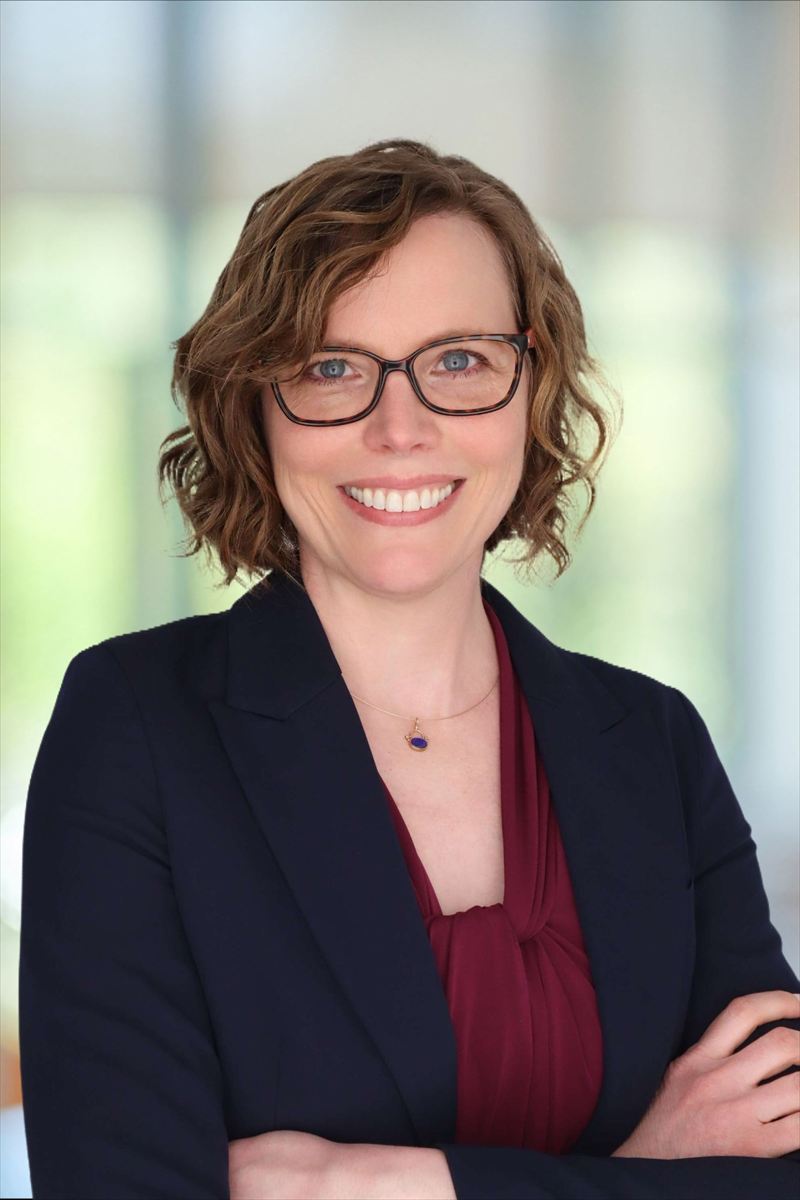
Anna Mueller. (Bio)
Wednesday, June 17, 2026 (8:30-9:45am CT)
Why are our youth struggling, and how does the world around them shape their pain? It’s time to look past the individual and toward the community. Join Dr. Anna Mueller, author of the award-winning Life Under Pressure, for an eye-opening exploration into the social roots of youth suicide. Whether you are a parent, educator, clinician, or a teen yourself, you will walk away with a fresh perspective on why social environments matter and—more importantly—how to change them.
Objectives:
- discuss why the external social world matters to youth suicide risk and suicide prevention;
- understand what suicide clusters are and why they warrant unique interventions;
- identify common social-contextual risk and protective factors for suicide;
- explain why youth and individuals with lived experience must be included as partners in suicide prevention; and
- facilitate conversations in their communities about how to build social worlds that help youth thrive.
Anna Mueller PhD, is the Luther Dana Waterman Professor in the Department of Sociology and the Irsay Institute at Indiana University Bloomington. She is a leading expert on youth suicide and suicide prevention/postvention in schools and is co-author of the award-winning book Life under Pressure: The Social Roots of Youth Suicide and What to Do About Them (2024). She leads two community engaged research projects on youth suicide: the Social Worlds & Youth Well-Being Study and the Connect to Care in Schools Study and is the Convener of the Indiana Innovation Think Tank on Suicide. Her research on youth suicide has won numerous awards for its contribution to knowledge, including the Edwin Shneidman Early Career Award from the American Association of Suicidology. Her research is funded by the National Institute of Mental Health, the Humana Foundation, the American Foundation for Suicide Prevention, among others. Mueller is passionate about translating suicide prevention science into policy that works for teens, families, and schools.